

6 Common Concrete Lifting Myths Debunked
When concrete starts sinking, cracking, or becoming uneven, replacing it might seem like the only solution. However, concrete lifting can often restore existing slabs without the time, expense, and disruption of a full replacement. Despite its benefits, this repair method is sometimes misunderstood, causing builders, general contractors, and engineers to overlook a practical alternative. Understanding the facts behind common concrete lifting myths can help construction professionals make informed decisions and find the right solution for their projects.
Read More
How Polyurethane Foam Can Extend the Life of Concrete
Polyurethane foam offers a way to repair many common concrete issues while preserving the existing slab. For homebuilders, general contractors, and engineers, this approach can help protect completed projects, reduce unnecessary repairs, and keep concrete performing well for years to come.
Read More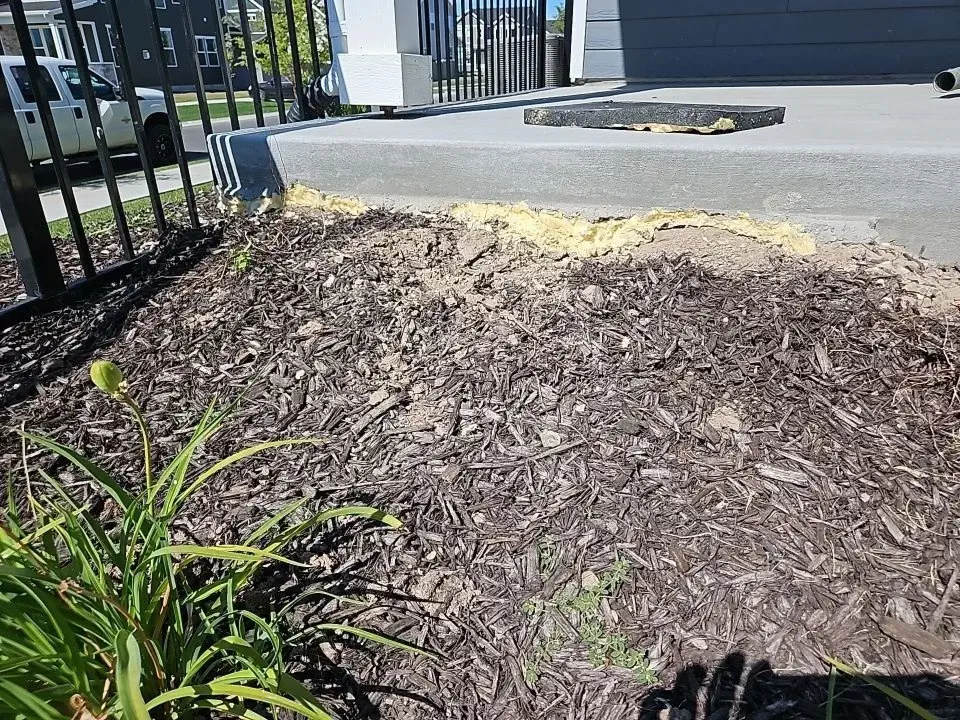
Is Polyfoam Considered Toxic?
One commonly asked question around polyurethane and polyfoam is whether it is considered toxic. This material is often used for concrete repair and lifting, meaning that it is used around people, children, animals, and surrounding landscaping. Looking at the composition of polyurethane and how it is used in different settings can help us understand when it may be toxic or be a harmless substance.
Read More
What To Expect During Polyfoam Lifting Services
Concrete is one of the most popular building materials because of its long-lasting durability and ease of access. Patios, driveways, parking lots, and commercial flooring are all created with concrete, but are also susceptible to the negatives and damage that concrete is prone to. Cracking and settling are common for all concrete spaces, even if it was properly installed and the soil was stabilized beforehand. When your concrete needs to be lifted, there are a few different steps that need to be followed in order for the service to be successful.
Read More
Using Polyurethane Foam To Improve Airport Runways
Polyurethane foam is used for leveling and evening concrete in a variety of industries. Airports are one of the industries that features massive amounts of concrete spaces, including runways, sidewalks, terminals, parking garages, and more. If an airport runway has concrete damage, including settling, cracking, or surface irregularity, polyurethane foam can improve the operation of an airport. Instead of turning to traditional repair methods, learn how polyurethane can make your airport runways more durable in this blog.
Read More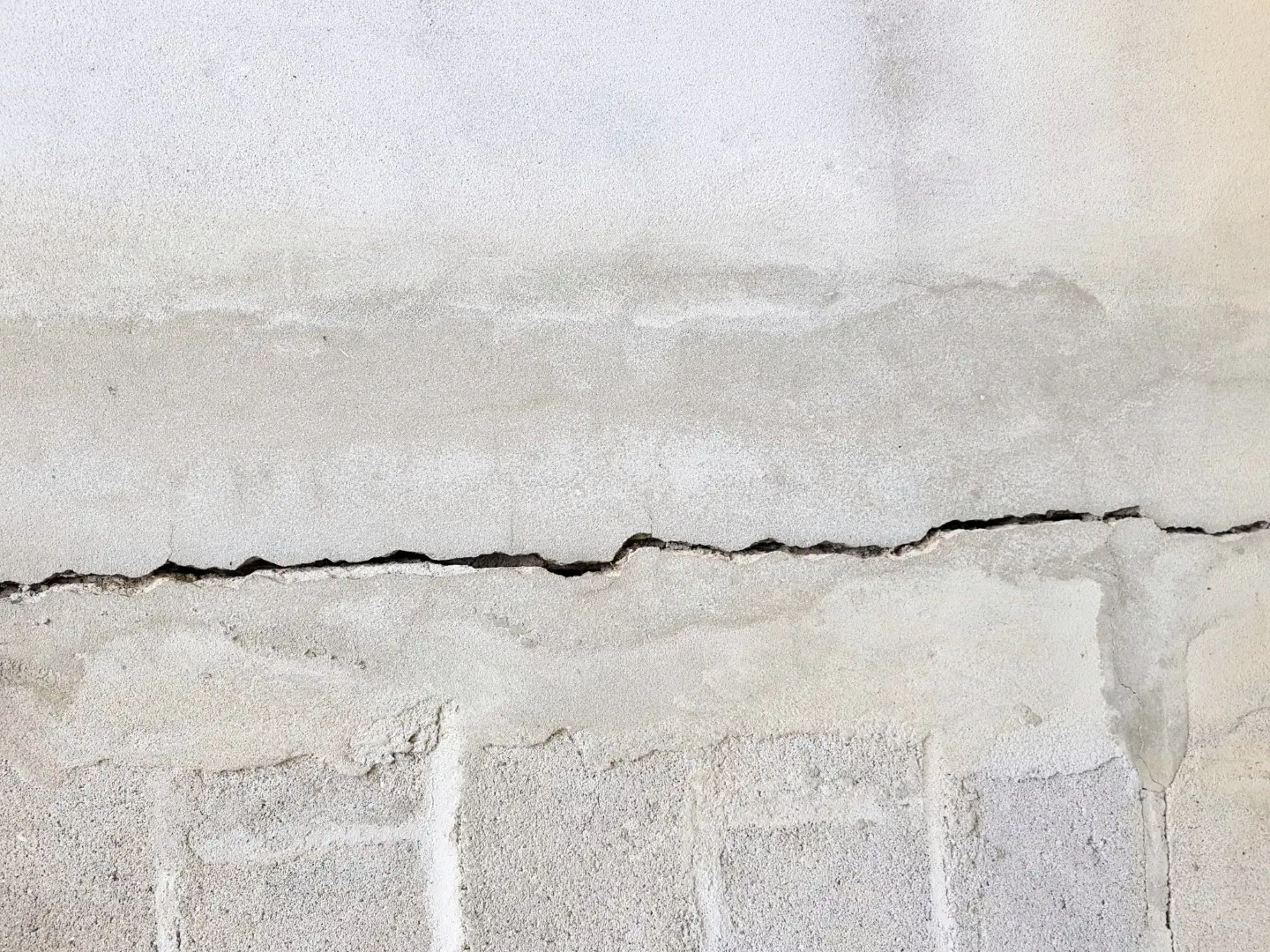
7 Types of Basement Concrete Cracking to Watch Out For
It is easy to overlook concrete cracking that has started to spread in your basement. Whether you don’t spend that much time in your basement because it’s only used for storage, or you simply write cracks off as a normal occurrence, cracking on basement walls or floors can be hard to catch. These cracks spread over time, causing your foundation and walls to shift, let in leaks and pests, create tripping hazards, and more. Fix concrete cracking before it spreads, causing dangerous and expensive damage. Keep an eye out for these cracks forming in your basement:
Read More
- 1
- 2
- 3
- 4
- Next Page »
Follow Us