
When concrete starts sinking, cracking, or becoming uneven, replacing it might seem like the only solution. However, concrete lifting can often restore existing slabs without the time, expense, and disruption of a full replacement. Despite its benefits, this repair method is sometimes misunderstood, causing builders, general contractors, and engineers to overlook a practical alternative. Understanding the facts behind common concrete lifting myths can help construction professionals make informed decisions and find the right solution for their projects.

Myth #1: Concrete Lifting Is Only a Temporary Fix
One common misconception is that lifted concrete will inevitably sink again soon after repairs. While no repair method can guarantee permanent results under every condition, properly installed polyurethane foam can provide lasting support when the underlying conditions are suitable.
Polyurethane foam injection works by filling voids beneath concrete and helping restore support to settled slabs. The expanding foam can also help stabilize areas beneath the surface to reduce movement associated with unsupported concrete.
However, the cause of settlement matters. Poor soil compaction, erosion, and drainage problems can contribute to recurring issues if left unaddressed. Evaluating these factors before repairs helps determine whether foam injection is an appropriate long-term solution.
Myth #2: Concrete Lifting is Only for Residential Properties
Concrete lifting is not limited to residential driveways and sidewalks. Commercial and industrial properties can also benefit from polyurethane foam injection when existing concrete is suitable for rehabilitation.
Warehouse floors, parking lots, loading zones, sidewalks, and other concrete surfaces may develop settlement as soil shifts or water erodes the supporting base. Uneven surfaces can create safety concerns, interfere with operations, and lead to costly maintenance.
For general contractors and commercial property owners, foam injection can offer a way to address these issues without extensive demolition. Engineers and construction professionals should evaluate the slab’s condition, soil characteristics, and anticipated loads to determine whether lifting is appropriate for the application.
Myth #3: Replacing Concrete is Always the Better Option
New concrete may seem like the most reliable choice, but replacement is not always necessary. If an existing slab remains in good condition, concrete lifting may restore its position and support without requiring the entire surface to be removed.
Traditional replacement involves breaking up concrete, hauling away debris, preparing the base, and pouring new material. Depending on the project, this can increase labor costs, extend timelines, and disrupt nearby operations.
Polyurethane foam injection requires only small holes in the existing slab and can often be completed with less disruption. The foam also cures quickly, allowing many repaired areas to return to service sooner.
Of course, replacement may still be necessary when concrete is severely cracked, deteriorated, or structurally deficient. The goal is to select the repair method that best fits the condition of the concrete and the needs of the project.
Myth #4: Foam Injection Will Damage Existing Concrete
Some construction professionals worry that expanding foam could lift concrete unevenly or cause additional cracking. While improper installation can create problems, professional concrete lifting uses controlled injection techniques to manage how the foam expands beneath the slab.
Technicians monitor the lifting process and introduce foam gradually to help bring settled concrete toward its intended elevation. The small injection holes also minimize surface disruption compared with traditional removal and replacement.
Proper evaluation is essential. Slab thickness, existing cracks, soil conditions, and the amount of movement required all influence the repair approach. Working with an experienced provider helps ensure the process is suited to the specific application.
Myth #5: Concrete Lifting is Too Expensive to Be Worth It
Specialized repair methods can sound expensive, but concrete lifting may cost less than replacing an entire slab. Because foam injection can preserve existing concrete, it may reduce expenses associated with demolition, debris removal, replacement materials, and labor.
There can also be indirect savings. Commercial projects often need to minimize downtime, and lengthy concrete replacement can interfere with deliveries, equipment access, and daily operations. A faster repair may help reduce those disruptions.
Actual costs depend on factors such as the size of the affected area, accessibility, soil conditions, and the amount of foam required. Comparing the overall costs of lifting and replacement can help contractors determine which option makes the most financial sense.
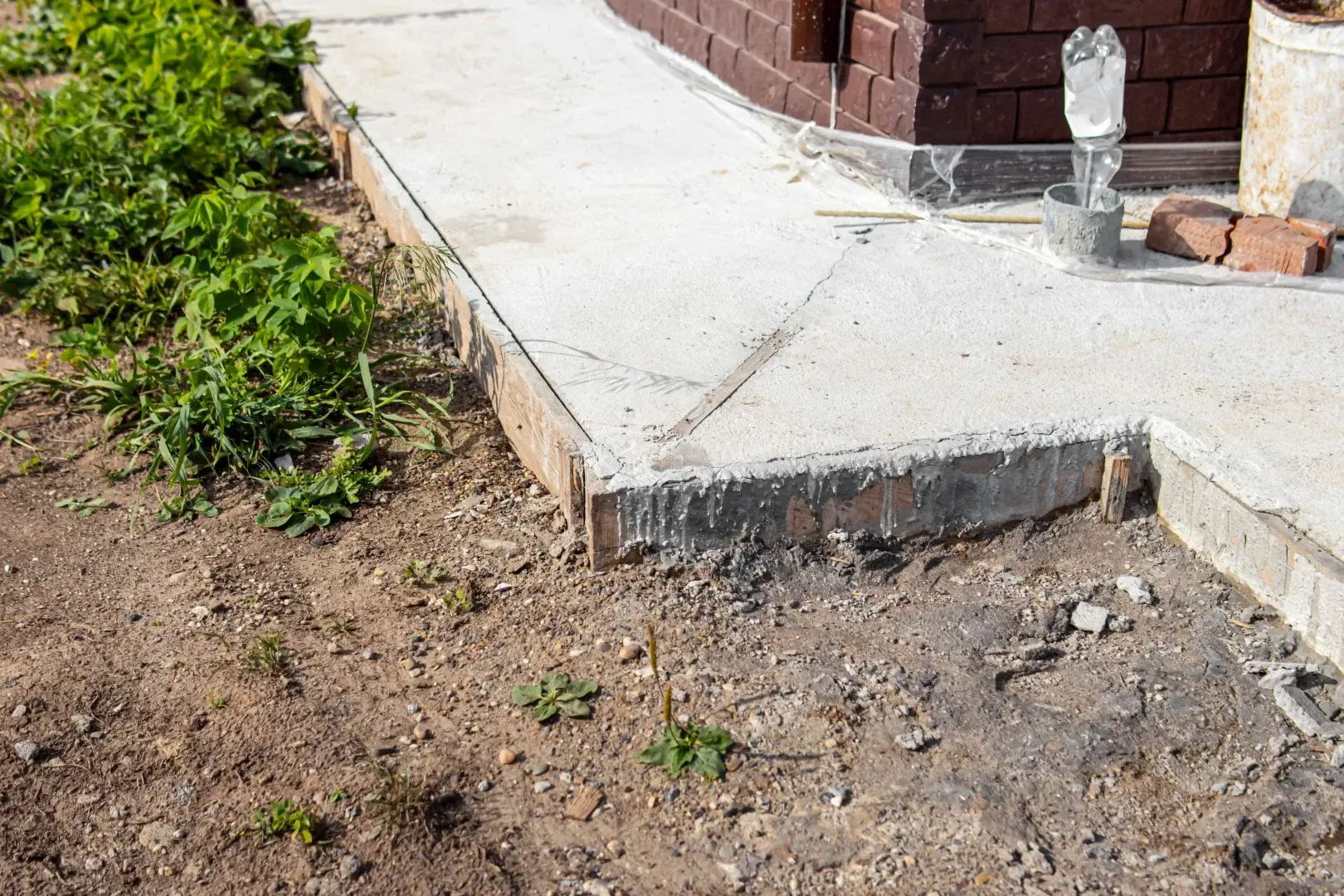
Myth #6: Concrete Lifting Only Fixes the Surface Problem
Concrete lifting does more than improve appearance when settlement is caused by voids or inadequate support beneath a slab. Polyurethane foam expands into accessible gaps to help restore contact beneath the concrete and lift settled sections.
This distinction is important because surface cracks and uneven elevations can indicate deeper problems. Addressing the supporting base may help reduce continued movement and improve the slab’s performance.
However, foam injection is not a cure-all. Serious structural damage, ongoing drainage failures, and other underlying conditions may require additional repairs. Identifying the cause of settlement is an important step toward choosing an effective solution.
Find the Right Concrete Repair Solution With PolyFoam Solutions
Concrete lifting is a practical option for many repair projects, but understanding when and how to use it is key. By separating common myths from the facts, homebuilders, general contractors, and engineers can better evaluate opportunities to preserve existing concrete, manage repair costs, and minimize project disruptions.
PolyFoam Solutions offers concrete lifting, void filling, and soil stabilization services to help address settlement and support issues. Contact PolyFoam Solutions to discuss your project and determine whether polyurethane foam injection is the right solution for your concrete repair needs.
Follow Us