
Concrete is built to last, but that does not mean it is immune to problems. A sinking driveway, uneven warehouse floor, or cracked sidewalk can quickly turn into an expensive headache for builders and property owners. The good news is that replacing concrete is not always the only option. Polyurethane foam offers a way to repair many common concrete issues while preserving the existing slab. For homebuilders, general contractors, and engineers, this approach can help protect completed projects, reduce unnecessary repairs, and keep concrete performing well for years to come.
Why Concrete Deteriorates Over Time
Concrete relies on a stable, well-supported base. When the soil beneath a slab shifts or settles, the concrete can lose support and begin to sink, crack, or become uneven. Several factors can contribute to these problems.
Poorly compacted soil is a common cause of settlement, particularly around new construction. Water can also erode supporting soil, wash away fill material, and create empty spaces beneath concrete. Seasonal moisture changes and freeze-thaw cycles may contribute to ground movement, while heavy vehicles and equipment place additional stress on commercial concrete surfaces.
For builders and contractors, these issues can result in callbacks, unexpected repair expenses, and dissatisfied property owners. Addressing the underlying cause of settlement can help prevent further damage and protect the investment made in the original construction.
How Polyurethane Foam Helps Extend Concrete Life
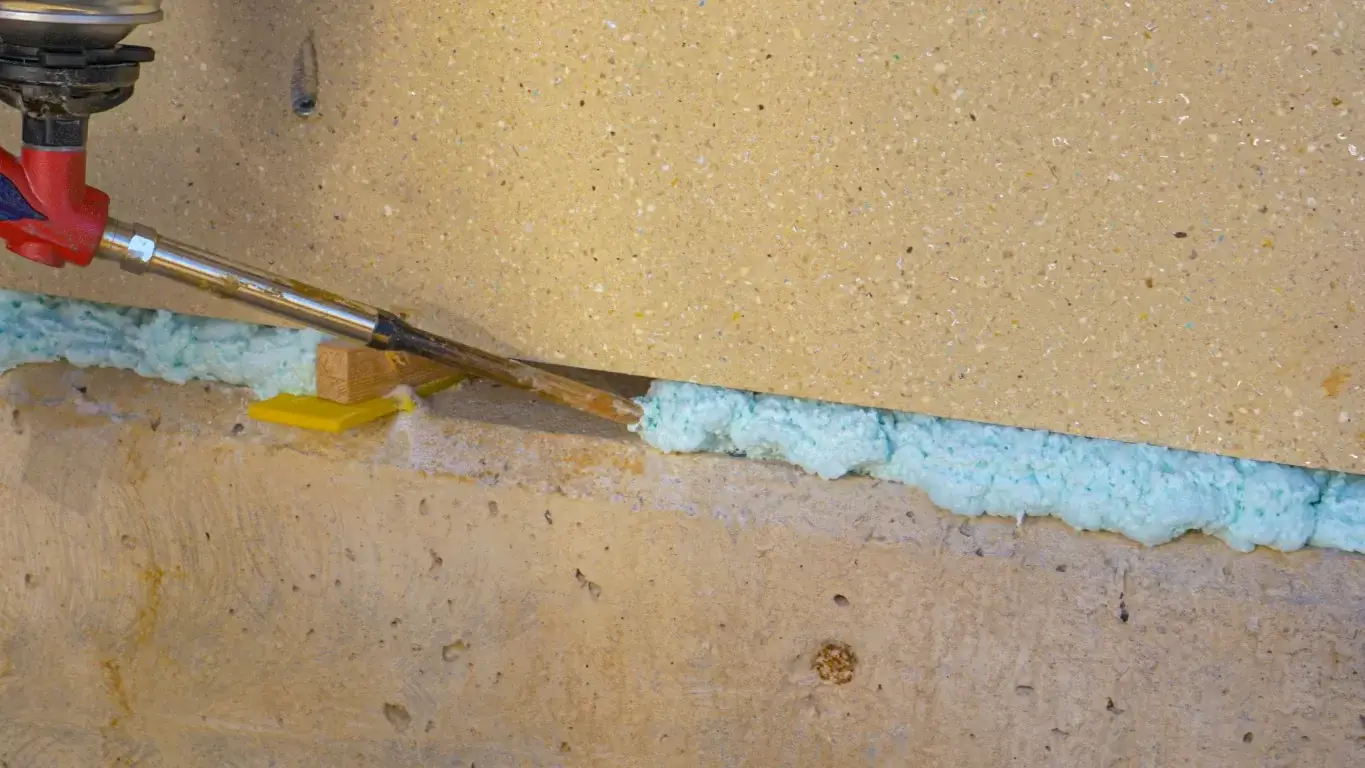
Polyurethane foam injection offers a minimally invasive way to address several common concrete problems. The process involves injecting specialized expanding foam through small holes drilled into the existing slab. As the foam expands, it fills accessible voids and can lift settled concrete when carefully controlled.
Here are several ways this process can help extend concrete’s useful life.
- Filling Voids Beneath Concrete: Empty spaces beneath slabs leave portions of the concrete unsupported. Expanding foam fills these gaps to help restore contact between the slab and its supporting base. This can reduce the risk of additional settlement caused by a lack of support.
- Stabilizing Underlying Soil: When appropriate for the site’s conditions, polyurethane foam can help improve support beneath concrete. Addressing unstable areas can reduce movement and help the slab perform as intended.
- Lifting and Leveling Settled Slabs: Uneven concrete can create drainage problems, trip hazards, and operational challenges. Controlled foam injection can raise settled sections toward their intended elevation, helping restore a more even surface.
- Reducing Additional Damage: Repairing settlement early can help limit the problems associated with unsupported concrete. Although foam cannot eliminate every cause of deterioration, addressing voids and support issues can help preserve slabs that remain in suitable condition.
Benefits for Homebuilders, General Contractors, and Engineers
Foam concrete repair can offer practical advantages across a variety of construction projects.
For homebuilders, soil settlement around foundations, driveways, garage floors, and walkways can create costly problems after a project is completed. Addressing suitable concrete issues with foam injection may help reduce extensive replacement work and minimize disruption to finished properties.
For general contractors, the ability to repair existing concrete without major demolition can help keep projects moving. Warehouse floors, sidewalks, parking areas, and loading zones may be candidates for foam injection when the concrete itself remains structurally sound. Faster repairs can also reduce downtime for businesses and property owners.
For engineers, polyurethane foam provides another option to evaluate when developing solutions for settlement and subsurface support problems. Site conditions, soil characteristics, slab condition, and load requirements should all factor into determining whether foam injection is appropriate.
In each case, selecting the right repair method can help protect construction quality while managing long-term maintenance costs.
Foam Injection vs. Concrete Replacement
Traditional concrete replacement involves breaking up the existing slab, removing the debris, preparing the base, and pouring new concrete. Depending on the project, this process can require significant labor, equipment, material expenses, and downtime.
Foam injection may offer a more efficient alternative when the existing slab can be preserved. Small injection holes limit surface disruption, and the foam’s rapid curing can allow the repaired area to return to service sooner than many traditional replacement projects.
Keeping usable concrete in place can also reduce demolition waste. However, foam injection is not the right solution for every situation. Severely cracked, deteriorated, or structurally deficient concrete may require replacement, while drainage issues or other underlying problems may need separate attention.

Making Foam Solutions Part of a Long-Term Maintenance Plan
Extending concrete life starts with identifying problems before they become more extensive. Construction professionals should watch for uneven slabs, widening cracks, gaps beneath concrete, and areas where water collects unexpectedly.
When these warning signs appear, evaluating the underlying soil, drainage, and concrete condition can help determine the best next step. Foam injection may be appropriate for lifting settled slabs, filling voids, or improving subsurface support. Maintaining proper drainage and addressing water intrusion can also help reduce the risk of recurring problems.
Combining timely repairs with routine inspections gives property owners and construction teams a better opportunity to preserve existing concrete and avoid unnecessary replacement.
Protect Your Concrete With Poly Foam Solutions
Polyurethane foam injection can help construction professionals address settlement, fill voids, and restore support while preserving concrete that is still in good condition. For homebuilders, general contractors, and engineers, it is a practical option to consider when evaluating long-term concrete performance.
PolyFoam Solutions provides concrete lifting, void filling, and soil stabilization services to help address these challenges. Contact PolyFoam Solutions to discuss your project and explore whether polyurethane foam can help protect your concrete investment.
Follow Us