
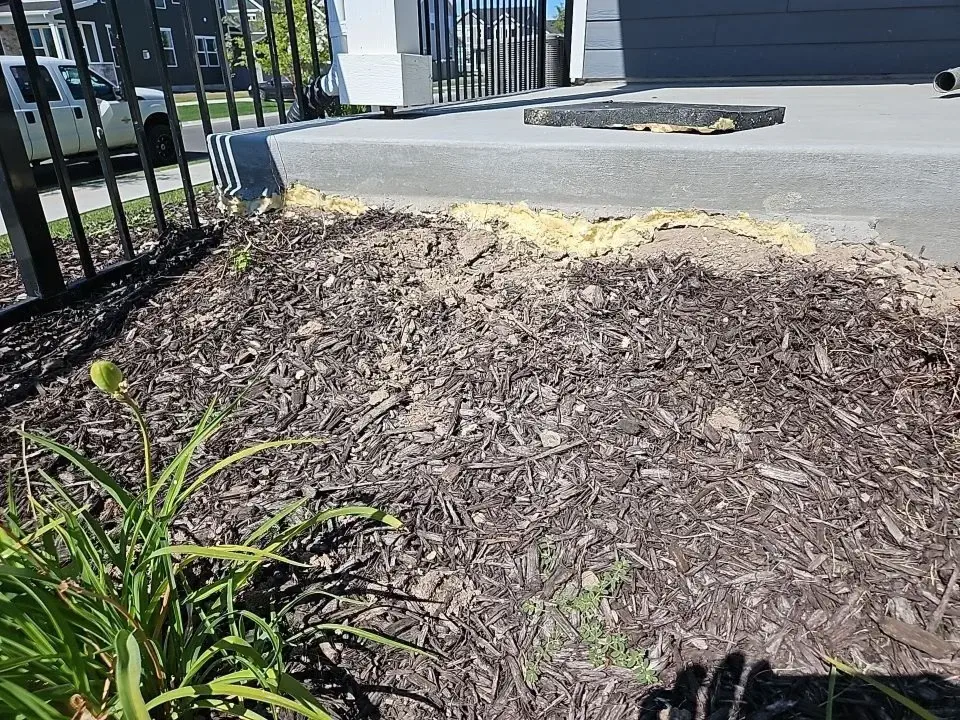
One commonly asked question around polyurethane and polyfoam is whether it is considered toxic. This material is often used for concrete repair and lifting, meaning that it is used around people, children, animals, and surrounding landscaping. Looking at the composition of polyurethane and how it is used in different settings can help us understand when it may be toxic or be a harmless substance.
Polyurethane Foam Composition
A chemical reaction between isocyanates and polyols is what creates polyurethane foam and gives it its density and flexibility. The type of chemicals that are used can affect the potential health risks, which is why flexible polyurethane foam is safer for consumer use. Once the foam is formed, it is stable and safe, but off-gassing, or the release of VOCs (volatile organic compounds), is when polyfoam could be considered toxic.
Health Risks Associated With Polyurethane Foam
Poorly ventilated areas or unsafe handling of polyurethane may cause respiratory or skin irritation. The risk for these potential hazards can change depending on the length of exposure, the type of chemical reaction used to create the foam, and if the area is well ventilated during application.
Short-term exposure may irritate the throat, skin, and eyes, and those handling the material may experience coughing or skin redness if proper safety precautions are not taken. Long-term exposure to VOCs may lead to chronic health conditions and severe respiratory conditions, which is when polyfoam can be considered toxic. If you are working in a badly ventilated area or around sensitive groups, use a low-VOC foam and follow all protective measures to prevent health damage.
Environmental Impact
The production, use, and disposal of foam will affect your local landfills, air quality, and landscaping. There are biodegradable foam options available for industries that are constantly using polyfoam. Sustainable disposal methods are also recommended to limit damage to the surrounding environment. Disposing of the foam at a recycling facility or repurposing the foam for insulation or cushioning are great ways to prevent chemical damage to the environment.
Handling Polyfoam Safely
The best way to ensure your polyfoam application isn’t toxic is to follow the right safety procedures and take extra precautions when handling polyfoam. Setting up the right environment can also help prevent exposure to VOCs and toxic gases. If you are utilizing polyfoam indoors, having built-in ventilation, vapor filtration systems, and access to proper PPE for employees will protect everyone from harsh health effects.
Manufacturers of polyurethane also need to be cautious of the toxic nature of chemical reactions. Following chemical handling guidelines is the best way for manufacturers and consumers to avoid health concerns. If you are purchasing from a manufacturer, inquire about their creation method and if they offer flexible polyurethane that is less toxic.
OSHA also has guidelines on how to handle polyurethane safely around the workplace and in the local environment. Workers can follow these guidelines and talk to their employers about the best way to handle hazardous materials.
Working With PolyFoam Solutions

Whether you are a homeowner, business owner, or concrete lifter, using polyfoam can help protect your investment and serve those who feel their concrete spaces will never be the same. Our team at PolyFoam Solutions offers many concrete services and utilizes flexible polyfoam to ensure that the concrete is stable and the application is safe for everyone.
Some of our most common services include concrete driveway repair, foundation crack repair, concrete joint sealing, soil stabilization, epoxy floor coatings, and more. Using polyfoam instead of mudjacking fluid allows these services to last longer. Customers will save money by investing in polyfoam lifting because it won’t need to be replaced a few years after application. Schedule a free consult with our team to see if we can help improve your concrete space.
Follow Us