PolyFoam Solutions Logo Syracuse Utah

PolyFoam Solutions

Call 385-396-5083 Schedule Free Consult
  • Concrete Repair
    • Concrete Lifting
    • Concrete Leveling
    • Concrete Driveway Repair
    • Concrete Crack Repair
    • Concrete Trip Hazard Repair
    • Foundation Crack Repair
    • Concrete Basement Wall Repair
    • Sidewalk Leveling
    • Concrete Garage Floor Leveling
    • Concrete Joint Sealing
    • Foundation Leak Sealing
    • Concrete Porch Repair
    • Concrete Stoop Repair
    • Soil Stabilization
  • Epoxy Garage Floors
    • Polyaspartic Garage Floor Coatings
  • Our Process
    • Mudjacking Vs Polyfoam
  • Pricing
    • Financing
  • Testimonials
  • About
    • Projects
    • Service Area
    • Blog
  • Contact

What To Expect During Polyfoam Lifting Services

Home | Archives for Max Lythgoe

What to expect during polyfoam lifting services

Concrete is one of the most popular building materials because of its long-lasting durability and ease of access. Patios, driveways, parking lots, and commercial flooring are all created with concrete, but are also susceptible to the negatives and damage that concrete is prone to. Cracking and settling are common for all concrete spaces, even if it was properly installed and the soil was stabilized beforehand. When you need polyfoam lifting services, there are a few different steps that need to be followed in order for the service to be successful. Here are the steps you can expect from polyfoam lifting services, no matter how much damage or the type of concrete space they are working with.

Analyzing The Area To Be Lifted

The first step before any lifting can occur is to analyze the area. Assessing the damage and finding the best spot to insert the polyfoam will help ensure a more successful lift. It may be fairly easy to see where the concrete is settling from above; the soil underneath will also need to be analyzed to determine how much foam is needed and if additional soil stabilization is needed to protect the concrete from further damage. Quality polyfoam lifting services begin with proper preparation.

Drilling Into The Concrete

Once the team or concrete lifter is ready to begin, a hole about the size of a dime will be drilled into the concrete. It will be about ⅝ inches deep or until the drill reaches the soil beneath the concrete slab. This gives the polyurethane gun access to the void underneath the patio, sidewalk, or flooring for optimal lifting. 

Installing Polyurethane Gun

The next step in polyfoam lifting services is to install the gun that will put out the foam. An injector port and polyurethane gun will be inserted into the drilled hole. The gun will be secured to ensure that the force of the polyfoam doesn’t cause it to move and inject foam in the wrong spot, causing the concrete to become even more unlevel. 

Injecting Polyfoam

Once the gun is secured, the real service can begin. Injecting the polyfoam underneath the concrete will be done slowly, allowing the professionals to monitor the progress and watch for one section of the slab to begin to rise and become level with the rest of the concrete. Once the two sections are level, injection of the foam will stop. The gun may sense when the foam has reached its tip, or an operator may control it manually. 

As the foam is injected, it expands 30-40 times its original size to help fill in all gaps underneath the slab. Professionals will know how much to inject and when to stop before it comes out the drilled hole. 

Removing Gun

The gun and port will then be removed from the hole. The drilled hole will be left behind, but it can be easily covered and blended into the top layer of the concrete.

Covering Drill Hole

While polyfoam injection uses smaller holes than mudjacking, they may still be noticeable by homeowners or workers using the space daily. These dime-sized holes will be filled by the polyfoam team before they count the service as complete. Using concrete, the short holes will be filled until it reaches the polyurethane foam underneath, resulting in a level fill. The new concrete will be blended in with the existing concrete, but may still stand out if your existing concrete is extremely stained or sun-faded. 

Enjoying Newly Leveled Concrete

Once the concrete is leveled and the drilled holes are filled, you can enjoy the look and safety of a level concrete space. Lifted concrete can be walked on almost immediately after application, after setting for about 15 minutes. Driving cars or equipment across the concrete will need to wait a little longer, typically 8 hours. 

PolyFoam Solutions Concrete Crack Repair Syracuse, UT / Concrete Lifting in Clinton, UT

Commercial and residential spaces can both benefit from polyfoam lifting when done correctly. Both areas will experience minimal downtime because of the fast-curing nature of polyfoam, meaning you can operate as normal, begin serving customers, or have guests over to the space sooner than with other repair methods.

Working With PolyFoam Solutions

Our team at PolyFoam Solutions wants to help improve your concrete spaces without breaking the bank. Damaged concrete can disrupt daily operations and have you questioning the aesthetic of your home, but with simple polyfoam injection, we can solve all of these problems. 

When you work with PolyFoam Solutions, you will be able to utilize your concrete space again quickly and avoid worry about further concrete damage. Our team is committed to quick and efficient services, whether it is lifting, foundation crack repair, joint sealing, or soil stabilization. Schedule a consult with our team to get started!

Filed Under: Concrete Lifting

Using polyurethane foam for airport runways

Polyurethane foam is used for leveling and evening concrete in a variety of industries. Airports are one of the industries that features massive amounts of concrete spaces, including runways, sidewalks, terminals, parking garages, and more. If an airport runway has concrete damage, including settling, cracking, or surface irregularity, polyurethane foam can improve the operation of an airport. Instead of turning to traditional repair methods, learn how polyurethane can make your airport runways more durable in this blog. 

Why An Airport Runway Settles

The constant tire traffic and heavy loads moving across the runways of an airport can wear down the concrete significantly. Even the most durable concrete applications can settle or fail after years of use. Here are some common reasons why an airport runway settles.

Vibration-induced compaction from the landing gear of aircraft is a common reason that concrete and soil can become unlevel along airport runways. The touchdown forces from a heavy aircraft will vibrate the entire runway, causing the soil underneath to deteriorate and alter the concrete structure. An uneven runway can be extremely dangerous for small and large airports, as it can make the landing more rough or cause an airplane to go off the runway.

Temperature fluctuations are another common reason that concrete becomes damaged in a residential or commercial setting. Thermal cycling will cause the concrete to curl or warp, which will cause even more soil erosion during vibration or heavy luggage loads each day. Climates that have large daily temperature fluctuations or seasonal extremes may experience thermal cycling damage, even on airport runways that are less utilized. 

Drainage failures accelerate other concrete damage that is already occurring. Airports need to have sealants and proper surface drainage systems to prevent moisture problems and soil erosion. Polyurethane foam can help level out the concrete settling caused by drainage problems, but the drainage issues need to be addressed to prevent future damage in the future.

Leveling Concrete With Polyurethane Foam

Surface repair often won’t completely solve the problem with airport runways. While concrete used in commercial settings is durable, it won’t last forever, and the damage is often far beyond the surface of the runway. The high vibration, weight, and changing climate conditions will affect the land below the concrete, rather than just the surface, which is why you need a solution that is applied underneath the material. Applying the polyurethane foam underneath airport runways can even out the runway for more even landings and meet regulatory standards for aerospace settings.

Meeting Regulatory Standards

The FAA establishes the framework for airport concrete, including maintenance and repairs. Polyurethane injection qualifies under the established framework as it restores the pavement to FAA standards for structural capacity. These standards are put in place to help airports reach the 20-year structural life expectancy of concrete. 

Speed Up Repair Process

Utilizing polyurethane foam also helps you avoid long-term shutdowns that could hurt your bottom line. Instead of surface repair construction that requires heavy equipment and multiple workers, polyurethane foam can help you avoid flight diversions and frustrated passengers. Applying the foam can be done in overnight windows to result in fewer schedule disruptions. Foam is easier to apply and sets quickly, getting your concrete back to pristine condition in no time.

How Long Does Polyurethane Foam Last?

PolyFoam Solutions Concrete Lifting Syracuse Utah

Once polyurethane foam is applied, you may wonder how long airport runways will last before they need more repairs. Long-term data has shown that polyurethane doesn’t shrink or reduce even after years of exposure to chemicals, moisture, and heavy loads. Using foam to level out concrete can extend the life beyond the typical 20-year lifespan of concrete.

The foam’s chemical resistance makes it great for airport runways and commercial applications, allowing the airport runways to last for over 150 years. Polyurethane foam is applied deep beneath the concrete into the soil to ensure longer term stabalization. Airport runways won’t degrade over time when you invest in polyurethane foam, allowing more pilots, aircraft, and flyers to travel safely for years to come. 

Commercial Applications From PolyFoam Solutions

PolyFoam Solutions makes lifting and leveling easy for homeowners and commercial business owners alike. If you notice uneven surfaces, cracks, or moisture damage, you can benefit from polyurethane foam applications. Utilizing foam makes small, virtually invisible holes in your concrete space to provide long-lasting durability and even walkways. Save yourself or your business thousands of dollars by working with our professional team at PolyFoam Solutions. Whether you need an application for your home patio or an airport runway, we are here to help. Schedule a service with us today!

Filed Under: Concrete Lifting

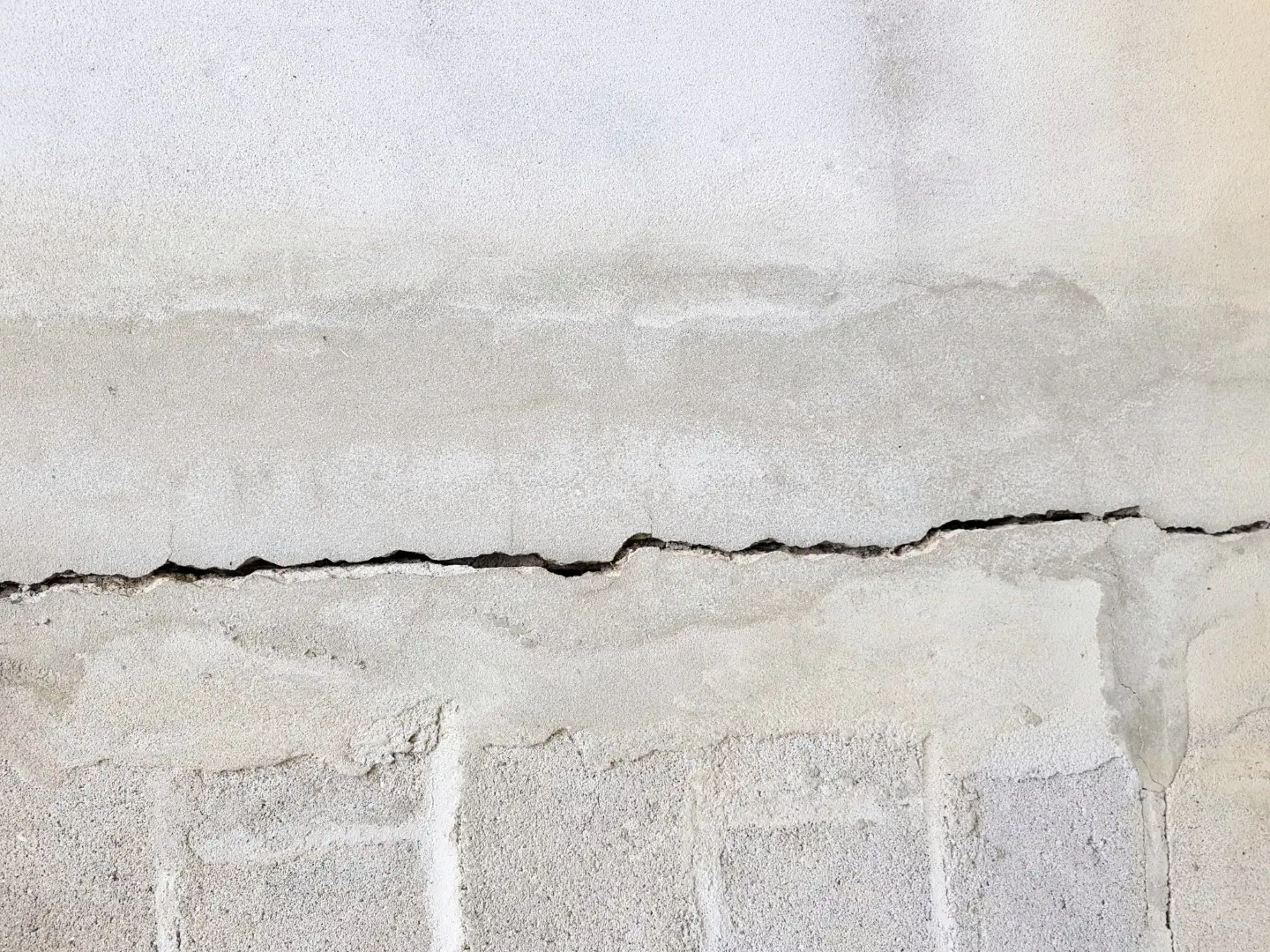
It is easy to overlook concrete cracking that has started to spread in your basement. Whether you don’t spend that much time in your basement because it’s only used for storage, or you simply write cracks off as a normal occurrence, cracking on basement walls or floors can be hard to catch. These cracks spread over time, causing your foundation and walls to shift, let in leaks and pests, create tripping hazards, and more.

concrete cracking

With PolyFoam Solutions, you can rest assured knowing that we offer the best services for your concrete repair needs. With trained experts and high-quality products, our solutions are effective and long-lasting. Save the money spent on tearing up damaged concrete and call us today for affordable, efficient concrete fixes.

Risks of Concrete Cracking in Basement Walls

When your basement’s concrete is compromised, the damage can spread and cause greater problems for the house. 

  • Mold or mildew growing in the damp and dark cracks.
  • Water leaking into the basement from outdoor soil.
  • A weak foundation caused by shifting cracks.
  • Insects and small animals make their way into your basement.
  • Trapped gases under the soil, like radon, enter the house.
  • Exposed edges can cause dangerous trips and falls.

Fix concrete cracking before it spreads, causing dangerous and expensive damage. Keep an eye out for these cracks forming in your basement:

1. Hairline Cracks

Common with new construction foundations, hairline cracks often form around a year after the house was built. Hairline cracks are caused by the drying and settling of a newly laid foundation. Luckily, these cracks are easy to repair, as they are usually cosmetic.

2. Horizontal Cracks

Horizontal cracks forming in your basement walls are a much bigger problem. Often caused by uneven soil and water pressure moving your foundation wall, cement block and poured concrete walls are both susceptible to this kind of crack. Water that creeps between the cracks and expands when it freezes can create extra pressure and create these horizontal cracks as well.

3. Vertical Cracks

Much less worrisome than horizontal cracks, vertical concrete cracking in your basement wall does not threaten the structural integrity of the house. The most common type of crack found in basements, vertical cracks usually appear with a poured concrete foundation and are caused by the concrete slowly drying or the foundation settling over time.

PolyFoam Solutions Leak Seal Syracuse Utah

4. Diagonal Cracks

Similar to vertical cracks, diagonal concrete cracking is much less serious than horizontal cracks. These cracks are also usually caused by curing concrete or the settlement of the foundation. If the crack appears small enough, polyfoam will be an easy way to take care of it.

5. Stair Crack

Stair cracks can be a common issue with laid concrete block walls, and become a big threat to your basement’s foundation. Stair cracking appears along the mortar crevices between blocks, and can spread in a staircase pattern going up and over diagonal blocks like steps. These cracks are often caused by either moisture buildup in the soil outside of your foundation or foundation sinking.

6. Structural Foundation Crack

Usually caused by movement from a change in temperature or soil pressure, structural foundation concrete cracking poses a great threat to the house’s structure. With structural foundation cracks, you will notice them going in horizontal or zig-zag pathways, and a width greater than ⅛ inch. These cracks will need immediate attention and repair.

7. Wet Foundation Crack

Concrete cracking caused by the foundation shrinking due to evaporating water will often have wet concrete with potential mold, mildew, or rust surrounding it. These cracks usually appear sometime within the first month after the foundation has been poured, and with more moisture leaving the concrete, more shrinking happens. Depending on the severity of the crack’s width, these kinds of cracks dry on their own and are easily repaired with polyfoam.

concrete cracking

Concrete Basement Wall Repair With PolyFoam Solutions

At PolyFoam Solutions, we are experts at diagnosing cracks and finding the right fix for your house. When repairing concrete cracking, we inject polyfoam grout right into the cracks, letting it expand and seal up holes. This gets rid of leaks, drafts, shifting concrete, and other hazards. If we recognize a crack is too serious to fix with our own repairs, we will forgo any charges and point you in the direction of a foundation repair team that can help you. Contact us to schedule a free consultation today!

Filed Under: Concrete Lifting

  • 1
  • 2
  • 3
  • Next Page »

Hours

PolyFoam Solutions

385-396-5083
Monday 8 AM to 6 PM
Tuesday 8 AM to 6 PM
Wednesday 8 AM to 6 PM
Thursday 8 AM to 6 PM
Friday 8 AM to 6 PM
Saturday 8 AM to 6 PM
Sunday Closed

Directions

Follow Us

2026 | PolyFoam Solutions | All Rights Reserved | Privacy Policy | Terms | Accessibility Statement | Anti Discrimination Disclaimer | XML Sitemap | Sitemap | Site by PDM